
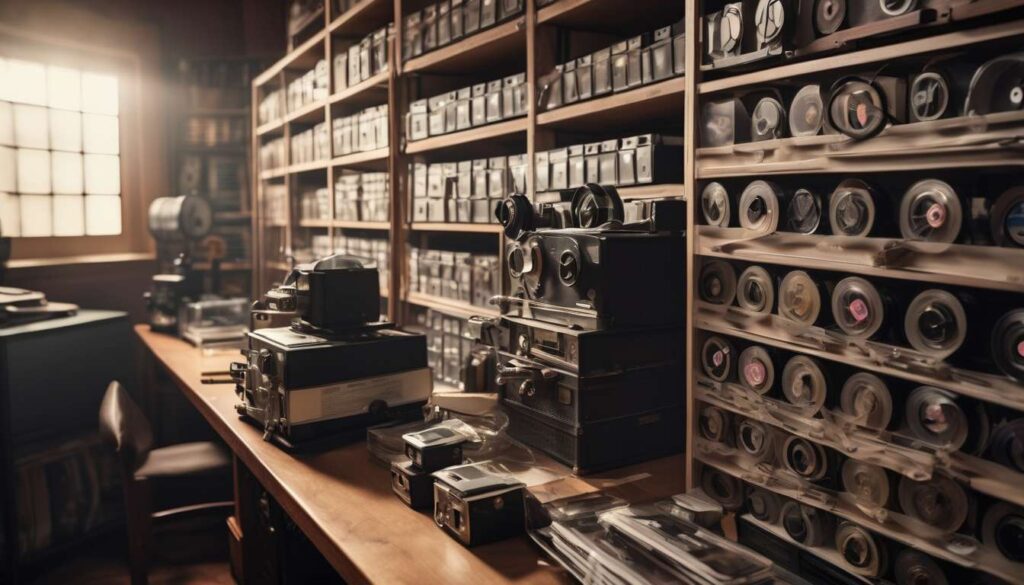
Digital preservation of adult cinema is cultural reclamation, not mere archival housekeeping.
We uncover and preserve diverse primary materials.
- Reels, digital files, emails, and production notes document labor, artistry, and evolving industry ethics.
- These materials preserve performers’ voices, directors’ innovations, and behind-the-scenes economies that might otherwise be erased.
We challenge assumptions about historical value.
- Adult films and related records reflect sexual norms, technological shifts, and labor movements.
- Demonstrating this context reframes the material as legitimate subjects for scholarly and cultural study.
We address consent, privacy, and legal complexity through collaboration.
- We work with archivists, rights holders, and former crew to navigate rights and permissions.
- Our approach balances privacy and consent with maintaining public research access where appropriate.
We interrogate censorship and reconstruct marginalized narratives.
- Censorship and stigma have shaped what survives in public records.
- We actively work to recover and contextualize narratives lost to deliberate suppression or physical decay.
We advocate for community-centered, dignity-respecting repositories and standards.
- Develop repositories that center the needs and perspectives of performers and communities represented.
- Create standards and best practices to ensure collections are preserved, discoverable, and ethically managed.
Through measured curation, we restore a neglected chapter of film history to scholarly and cultural conversation.
Cultural Reclamation
We reclaim and preserve adult film histories to restore marginalized voices and contextualize their cultural impact.
We build adult film archives that center people who’ve been sidelined, gathering performer oral histories so firsthand experiences shape interpretation rather than erasure.
We recognize that collecting materials isn’t neutral; archival access ethics guide who can see what, when, and why, balancing transparency with safety and consent.
We collaborate with former performers, technicians, and communities to ensure records reflect dignity and complexity, not voyeurism.
We’re intentional about consent-driven descriptions, restricted access where needed, and governance that lets contributors influence use.
- We obtain clear, ongoing consent for use, description, and display.
- We implement restricted access tiers for materials that require protection.
- We create governance structures that include contributor representation.
We also train staff to handle sensitive testimony respectfully and create spaces where contributors feel at home and heard.
- Staff receive trauma-informed interview and cataloging training.
- Physical and virtual spaces are designed for comfort, privacy, and trust.
- Contributors are compensated or acknowledged according to community norms.
By committing to responsible stewardship, we make archives that welcome researchers and community members alike, creating shared authority over narratives.
This approach helps us repair historical omissions, fosters belonging, and situates adult film production within broader cultural histories without exploiting those who lived it.
Archival Materials Explained
We collect specific types of materials that document creative and operational practices in adult film archives.
- Film prints
- Production stills
- Scripts
- Promotional materials
- Correspondence
- Born-digital files
- Performer oral histories (recorded interviews)
Each material type matters for different reasons.
- Film prints show craft — technique, editing, and production values.
- Production stills capture collaboration and on-set practices.
- Scripts reveal intent, narrative choices, and production planning.
- Promotional materials reflect marketing, audience engagement, and cultural context.
- Correspondence traces professional networks and decision-making.
- Born-digital files document contemporary workflows and formats.
- Performer oral histories provide first-person context about careers, working conditions, and community memory.
We describe items using clear, consistent, and ethical metadata practices.
- Use standardized subject headings and controlled vocabularies to improve discoverability.
- Include consent-informed notes and provenance statements to make searching inclusive and trustworthy.
- Record rights, restrictions, and any sensitivity information so users understand access conditions.
Preservation combines environmental care, digital workflows, and integrity checks.
- Maintain appropriate climate control and storage for physical items.
- Digitize analog materials following archival-quality standards.
- Use checksums and fixity monitoring for born-digital and digitized files to ensure integrity.
- Apply migration and refresh strategies to address format obsolescence.
Access is governed by transparent policies that balance scholarship and privacy.
- Apply archival ethics to protect vulnerable contributors while enabling research.
- Clearly state access procedures, restrictions, and request processes.
- Provide redaction or restricted-use agreements when necessary to safeguard individuals.
We prioritize community participation in stewardship and access decisions.
- Encourage community input to set collection priorities.
- Invite community review of access decisions and descriptions.
- Foster collaborative governance so contributors and stakeholders feel ownership and trust in the archive.
Preserving Performers’ Voices
We prioritize recording, preserving, and contextualizing performers’ voices so their experiences shape research, access policies, and public history.
We build adult film archives that center consent, dignity, and collaboration, inviting performers to guide how their stories are recorded and described.
We collect performer oral histories with clear goals:
- Document working conditions.
- Record creative practices.
- Capture personal reflections.
- Preserve agency over sensitive details.
We use transparent metadata, secure storage, and consent-forward workflows so contributors feel seen and safe within the archive community.
We recognize oral histories as living records; we annotate them with contextual notes and link them to related materials to support rigorous scholarship and empathetic interpretation.
- Connect transcripts and annotations to production files.
- Link credits and contemporaneous materials.
- Maintain provenance and version histories.
We commit to ongoing dialogue about archival access ethics, ensuring our policies adapt to performers’ changing preferences and to evolving legal and social norms.
By centering voices, we create an inclusive repository that honors labor, fosters respectful study, and strengthens communal memory for present and future researchers.
Ethical Access Frameworks
We’ll establish clear, participant-centered access policies that balance transparency, research value, and the right of contributors to control how and when their materials are used.
We’ll frame those policies around consent, contextual integrity, and stewardship so contributors and community researchers feel respected and included.
In designing protocols for adult film archives, we’ll prioritize performer oral histories by specifying tiers of access—public, restricted research, and contributor-only—so storytellers and collaborators know what to expect.
We’ll create straightforward request procedures, informed consent templates, and renewal options that let people revisit choices over time.
We’ll set community review panels to ensure decisions reflect lived experience rather than distant assumptions.
We’ll document provenance, usage permissions, and ethical rationales so scholars can responsibly interpret materials.
By centering dignity and mutual accountability, we’ll make archival access ethics a living practice that:
- Strengthens trust among contributors, archivists, and researchers.
- Supports rigorous, context-sensitive scholarship.
- Affirms a shared sense of belonging and responsibility.
These measures help ensure access practices remain transparent, responsive, and rooted in the rights and needs of the people whose histories the archive preserves.
Legal and Privacy Navigation
We will map applicable laws, privacy risks, and contractual obligations so contributors and researchers know what protections and limitations govern archive use.
We acknowledge adult film archives sit at the intersection of intellectual property, privacy statutes, and consent practices.
We will review rights-holder agreements, release forms, and varying regional law to set clear retention and access rules.
We will prioritize performer oral histories by obtaining informed, revocable consent and offering options for anonymization or embargoes.
We will document data minimization protocols, secure storage, and role-based access to reduce exposure of sensitive metadata.
We will establish transparent archival access ethics, publishing our criteria for:
- Researcher vetting
- Permitted uses
- Redaction standards
We will provide contributors with templates and plain-language summaries so they know their choices and remedies.
We will train staff to handle takedown requests and legal inquiries compassionately and efficiently.
By doing this work together, we create a safer, more inclusive archive that respects contributors and supports scholarly, community-centered research.
Resisting Censorship Erasures
We’ll document and preserve material that laws, platforms, or social pressure try to erase, ensuring future researchers can trace the full history of adult media production.
We stand together to resist censorship erasures by actively collecting records, posters, contracts, and performer oral histories that might otherwise disappear.
We frame adult film archives as accountable stewards, balancing openness with confidentiality.
We set clear archival access ethics so contributors feel protected and included.
We won’t let gatekeepers decide what’s worthy; we’ll document marginal voices and contested works while following legal and privacy constraints.
We commit to transparent policies about who can view sensitive items, how consent is recorded, and how redaction is handled.
By centering trust and mutual respect, we build a shared sense of belonging among creators, researchers, and archivists.
That shared commitment preserves a truthful, nuanced record of production practices, labor histories, and creative choices that censorship would otherwise erase.
Community-Centered Repositories
We prioritize community-centered repositories that give creators, workers, and local communities control over how their materials are collected, described, and accessed.
We build adult film archives as collaborative spaces where performers, crew, and neighbors contribute and see themselves reflected.
We solicit performer oral histories directly, offering interview choices about context, consent, and future use so memories are preserved with dignity.
We design metadata and finding aids together, using language people recognize and trust, not only institutional jargon.
We commit to archival access ethics:
- Transparent rules about who can see what and why.
- Tiered access levels that protect sensitive materials.
- Community review boards that can limit exposure or require contextual framing when contributors request privacy.
We train volunteers from within communities to steward collections, ensuring that care and interpretation stay rooted in lived experience.
We celebrate shared stewardship because it nurtures belonging and accountability, and because archives shaped with those most affected are more rigorous, humane, and resilient than those imposed from outside.
Restoring Film Histories
We restore fragile reels, tapes, and born-digital files using techniques that prioritize authenticity, consent, and the material histories they carry.
We treat each item as part of a shared story, balancing technical repair with respect for performers and communities. Restoration in adult film archives is not only about image quality; it also means preserving context, crediting creators, and safeguarding sensitive material with care.
We conduct conservations that integrate performer oral histories, matching testimonies to materials so memories guide decisions about selection and presentation.
We codify archival access ethics, setting clear rules for who can view what and under which conditions, while providing pathways for community input and redress.
- We establish access tiers and review procedures.
- We define consent-based restrictions and anonymization options.
- We create transparent processes for appeals and corrections.
We aim to make restored histories usable for researchers, family members, and peers without exposing people to harm.
- We provide contextual metadata and provenance records.
- We offer controlled viewing environments and researcher agreements.
- We enable confidential access for family or rights-holders when needed.
We invite contributors to collaborate, knowing belonging grows when people see themselves represented responsibly.
Our practices are transparent, accountable, and rooted in dignity—so these materials endure as accurate, respectful records of production history.
How do digital archives address the technical challenges of digitizing fragile film formats like 8mm or Super 8?
We prioritize careful inspection and cleaning.
We inspect each film for physical damage, shrinkage, and mold before any scanning.
We clean using film-safe solvents and ultrasonic cleaning when appropriate to remove dust and debris.
We use gentle, high-resolution scanners and sprocket-free transports to avoid damage.
We prefer scanners that support sprocket-free transport to protect fragile 8mm and Super 8 film.
High-resolution capture preserves as much detail as possible for restoration and access copies.
We calibrate color, repair broken splices, and capture multiple exposures to handle faded frames.
Color calibration is performed with reference targets and software tools to restore accurate hues.
Broken splices are repaired with archival tape or cement splicing before scanning.
Multiple exposures or high-dynamic-range capture help recover detail from faded or high-contrast frames.
We store raw masters and access copies separately, document metadata, and migrate files to controlled formats and redundant storage.
- We retain immutable raw masters for future reprocessing.
- We produce compressed access copies for community use.
- We record descriptive and technical metadata for provenance and discoverability.
- We migrate files periodically to stable, well-documented formats and maintain redundant backups in controlled storage environments.
The result is preserved material that our community can access and trust.
What funding models support long-term digital preservation for adult film collections, and how can small archives secure sustainable resources?
Goal: fund long-term digital preservation for adult film collections and secure sustainable resources for small archives.
Mixed funding model:
- Institutional grants — apply to federal/state cultural heritage programs and preservation-specific funds.
- Donor memberships — recurring giving tiers with benefits (newsletters, early access).
- Crowd campaigns — targeted crowdfunding for specific projects or equipment.
- Service fees — paid digitization, restoration, or metadata services for private collectors or institutions.
Partnerships to pursue:
- Universities — archiving, internships, shared infrastructure, research grants.
- Cultural foundations — funding for preservation, exhibitions, outreach.
- LGBTQ+/sex-positive organizations — advocacy, co-funding, audience development.
Programs and revenue streams to build:
- Preservation-specific grant strategy.
- Community-backed subscription programs — multiple tiers for ongoing revenue.
- Paid access tiers — controlled digital access for researchers, members, or licensing.
- Fee-for-service offerings — digitization, cataloging, format migration for others.
Key operational points:
- Diversify income so the archive is not reliant on a single source.
- Document legal and access policies to reassure funders and partners about risk management and compliance.
- Demonstrate impact with metrics, use cases, and community engagement to strengthen grant and donor proposals.
Next practical steps:
- Map potential grant programs and application deadlines.
- Draft partnership proposals tailored to university departments and relevant organizations.
- Design membership/subscription tiers and a pilot crowdfunding campaign.
- Price and promote fee-for-service offerings, and create simple legal templates for contracts.
If you’d like, I can draft a sample grant outline, a membership tier sheet, or a partner outreach email template next.
How are metadata standards chosen and implemented to ensure discoverability without exposing sensitive performer information?
How metadata standards are chosen and implemented
We favor community-driven schemas such as Dublin Core and PREMIS.
These provide a proven foundation for discoverability and interoperability.
We extend schemas with controlled vocabularies and access tiers.
- Use controlled vocabularies to improve consistency and searchability.
- Implement access tiers (e.g., public, restricted, confidential) to limit exposure.
We protect performer privacy through technical and descriptive measures.
- Use pseudonymous identifiers rather than real names.
- Record granular access rights specifying who may view which fields.
- Include explicit consent metadata capturing permissions and restrictions.
We document decisions and provide ongoing training.
- Record rationale for chosen schemas, vocabularies, and access levels.
- Train staff on privacy-aware cataloging and how to apply consent metadata.
- Review and update policies with stakeholders on a regular schedule.
Goal: Keep records findable and interoperable while protecting individuals and fostering trust in our community.
Conclusion
You’re part of a movement that reclaims and preserves adult film history for its creators and communities.
By valuing archival materials, centering performers’ voices, and building ethical, legally sound access frameworks, you help prevent erasure and resist censorship.
Community-centered repositories and restoration efforts make these records usable and meaningful without exploiting people.
Keep supporting transparent, rights-respecting archives so future generations can study, understand, and learn from this important, often-overlooked cultural history.