
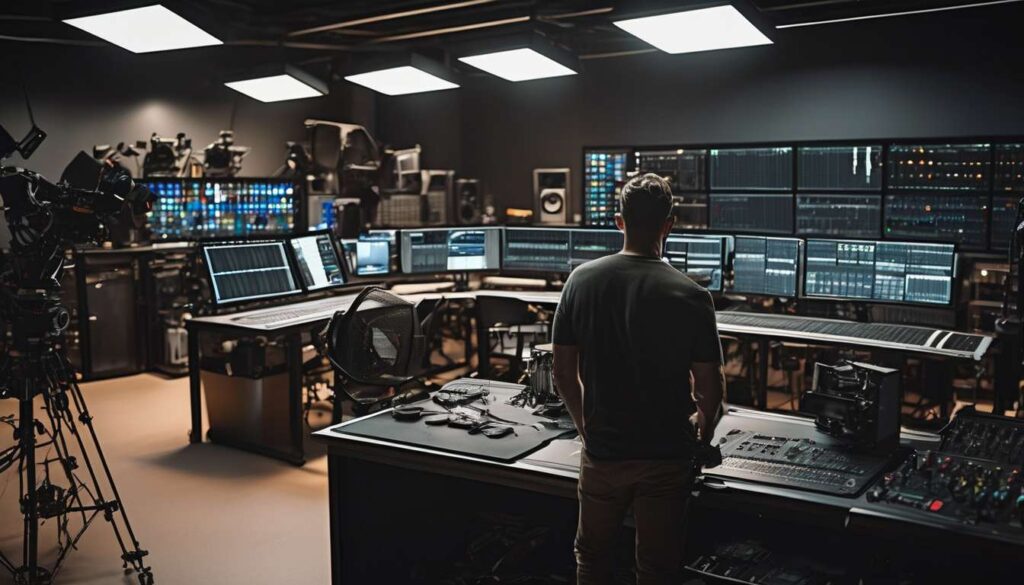
How inefficient workflows, missed schedules, and unclear resource allocation quietly erode profitability in adult movie studios is a problem we can no longer ignore.
We have watched shoots stall because key performers arrived late, equipment sat unused, and postproduction timelines stretched into weeks.
As a team, we recognize that the industry’s creative energy is wasted when operations are left to improvisation.
We must treat adult filmmaking as both art and a coordinated production system: aligning shooting schedules, inventory management, talent contracting, and editing pipelines reduces downtime and preserves budgets.
By applying proven operational planning principles—forecasting demand, defining roles, implementing checklists, and measuring cycle times—we transform chaotic sets into predictable, efficient operations.
We aim to show how small process changes yield faster turnaround, higher output quality, and stronger margins.
This article lays out practical steps we can take together to professionalize operations and reclaim the value of every shoot.
Assess Current Workflows
We will map and document every current workflow to identify bottlenecks, redundancies, and compliance gaps.
We gather cross-role teams so everyone’s expertise shapes a clear picture of production scheduling steps, from call sheets to set wrap.
We trace how footage moves into the postproduction workflow, noting handoffs, turnaround times, and approval loops that slow delivery.
We inventory equipment to show availability, maintenance status, and custodial responsibility to prevent last-minute delays.
We run short shadowing sessions and collect time-stamped logs so we can quantify delays and resource contention without finger-pointing.
We standardize templates for routine tasks and set measurable KPIs tied to cycle time, quality checks, and compliance milestones so everyone knows success criteria.
We include regular check-ins where crew can suggest refinements, reinforcing that their input matters.
By documenting and analyzing current workflows collaboratively, we create a shared baseline that lets us prioritize changes that reduce waste, strengthen compliance, and improve how we work together.
Forecast Production Demand
We’ll forecast upcoming shoot volume and resource needs by analyzing historical output, booking trends, client requests, and seasonal factors.
This lets us match staffing, equipment, and studio availability to demand.
We’ll build a shared baseline that helps everyone feel included in planning, using clear metrics from production scheduling, crew utilization, and past turnaround times.
We’ll align forecasts with our equipment inventory so we can anticipate shortages, plan maintenance, and avoid last-minute rentals that strain budgets and morale.
We’ll fold in expected postproduction workflow durations to ensure edits, color, and audio work don’t become bottlenecks.
We’ll run scenario models — conservative, expected, and high-demand — and share results with teams so contributors see how their roles fit into projected peaks.
We’ll update forecasts regularly as bookings change, and we’ll use simple dashboards to communicate priorities.
By forecasting together, we’ll reduce surprises, protect work–life balance, and create a dependable cadence that strengthens trust across the studio.
Define Clear Roles
We assign specific responsibilities and decision authority for every role so teams know who’s accountable for scheduling, safety, talent coordination, and final delivery.
We define roles that match our values and clarify ownership:
- Who owns production scheduling
- Who monitors equipment inventory
- Who oversees postproduction workflow
We share role descriptions with everyone so newer members see how they fit and experienced crew can mentor with purpose.
We map responsibilities to stages of a shoot and name alternates for coverage, fostering trust that someone will always step in.
We set permissions for key decisions to prevent delays:
- Budget sign-off
- Talent contracts
- Safety stops
We hold short alignment huddles before each phase to reinforce expectations and update role assignments when scope shifts.
We document responsibilities in a living file and invite feedback, so the team shapes roles as we grow.
Clear roles reduce overlap, improve handoffs, and strengthen our sense of shared ownership.
Standardize Shooting Checklists
We create standardized shooting checklists that everyone uses to ensure consistency, safety, and completeness across every shoot.
We build concise sheets that guide pre-shoot setup, on-set conduct, and wrap procedures so every team member feels included and accountable.
Checklists tie into production scheduling by listing time-sensitive tasks, call times, and scene priorities, so we all move together and respect each other’s time.
We include checkpoints for safety, consent confirmations, lighting and sound verification, and continuity notes to minimize re-shoots and protect morale.
Each checklist references postproduction workflow needs—clearly labeling takes, slate info, and metadata to streamline handoff to editors and colorists.
We keep checklist versions centralized and editable so feedback from performers, crew, and producers shapes improvements.
We also reference equipment inventory simply—indicating essential gear required for the day without instructing detailed maintenance—so everyone knows what should be present at call.
Regular reviews ensure checklists remain practical, inclusive, and aligned with evolving studio practices.
Optimize Equipment Inventory
We keep a lean, accurate gear list that matches each shoot’s needs, tracks condition and location, and makes swapping or renting equipment predictable and fast.
We audit equipment inventory weekly, tagging cameras, lights, mics, and grip so everyone knows what’s available and where.
By aligning inventory with production scheduling, we avoid last-minute substitutions that stress crews and talent.
We set minimum stock levels for high-use items and provide a clear request path for extras, so teammates feel supported and included when needs arise.
We document maintenance, battery cycles, and firmware versions in a shared system, reducing surprises on set and strengthening trust across departments.
When gear is damaged or retired, we log disposition and suggest replacements based on actual usage patterns.
We coordinate with rentals deliberately, treating them as planned extensions of our inventory rather than emergency fixes.
This disciplined approach tightens budgets, shortens setup times, and creates a dependable environment where everyone knows resources are managed transparently and fairly.
Streamline Postproduction Pipelines
We standardize file naming, folder structures, and codec specs so editors can start cutting immediately and handoffs stay predictable.
We create shared templates and checklists that tie production scheduling to postproduction workflow, so every team member knows priorities and deadlines.
By syncing call sheets, metadata, and proxy systems, we reduce redundant transfers and speed decision-making.
We keep an accurate equipment inventory linked to project folders, so asset availability and formats are transparent from shoot to finish.
That clarity builds trust: everyone feels included and responsible for quality.
We implement a simple review cycle with time-stamped notes, version control, and one source of truth for comments to prevent conflicting changes.
We automate routine transcoding and QC steps, freeing editors for creative work while maintaining consistency.
We hold short cross-departmental standups to resolve bottlenecks and adjust production scheduling in real time.
These practical, shared practices create a predictable, inclusive postproduction workflow that respects people’s time and skills.
Measure Cycle Times
We’ll track how long each task actually takes—from camera prep and shooting to editing, color, and delivery—so we can spot delays, set realistic deadlines, and improve throughput.
We’ll log cycle times for setup, principal photography, sound, and coverage, tying each entry to production scheduling slots so everyone sees where time is spent.
We’ll measure editing passes, color grading sessions, and final QC in the postproduction workflow to identify bottlenecks and balance workloads across editors and specialists.
We’ll link cycle-time data to our equipment inventory, noting when gear shortages or maintenance stretch task durations.
- This visibility helps us allocate backup gear, adjust schedules, and keep crews feeling supported rather than blamed.
We’ll share aggregated metrics in weekly reviews, celebrate improvements, and invite ideas from camera operators, editors, and producers.
- Regular reviews create feedback loops for continuous improvement.
With consistent measurement, we’ll set realistic KPIs, reduce rushes, and create a tighter, more collaborative studio rhythm that respects everyone’s time and expertise.
Implement Continuous Improvement
We’ll turn the cycle-time data and weekly reviews into targeted, regular experiments—small process changes we test, measure, and adopt to steadily improve efficiency and crew experience.
We set short, shared improvement sprints focused on:
- production scheduling tweaks
- streamlined postproduction workflow steps
- smarter equipment inventory handling
Each experiment includes:
- A clear hypothesis
- A metric to track
- A defined time box so everyone knows what success looks like
We involve all crew roles in proposing and running experiments, so contributors feel ownership and our sense of belonging grows with every iteration.
We document results in a communal dashboard, keeping wins, failures, and lessons transparent.
Successful changes are standardized into operating procedures; failed ones become learning notes that prevent repeat mistakes.
By cycling small, frequent improvements rather than chasing big one-off fixes, we reduce disruption and build steady momentum.
Over time, this disciplined continuous improvement approach tightens schedules, speeds postproduction workflow, and optimizes equipment inventory for a more resilient, collaborative studio.
How do you ensure performers’ safety and consent are maintained while implementing faster production schedules?
Goal: Keep performers safe and consenting while accelerating schedules.
Prioritize clear, ongoing consent.
- Obtain and reaffirm consent before, during, and after scenes.
- Require written consent for any scene changes.
- Never rush a performer’s refusal; respect and stop immediately.
Stagger call times and manage pacing.
- Use staggered call times to reduce waiting and fatigue.
- Schedule mandatory pre-shoot briefings so everyone understands expectations and timing.
- Provide rest breaks built into the accelerated schedule.
Provide on-set support and reporting.
- Maintain on-set medical and mental-health support (qualified professionals available).
- Offer confidential reporting channels for concerns or complaints.
- Ensure there is a clear, accessible process for reporting without retaliation.
Maintain trained personnel and processes.
- Require trained intimacy coordinators for all intimate or sensitive scenes.
- Ensure all staff understand boundaries, consent protocols, and escalation steps.
- Train crew on recognizing signs of distress and how to respond safely.
Continuous review and collaborative adjustment.
- Review feedback after each shoot with performers and relevant staff.
- Adjust timelines and procedures collaboratively based on feedback.
- Track outcomes to ensure safety and consent are preserved even as schedules speed up.
What legal or regulatory considerations (e.g., age verification, recordkeeping) should be integrated into operational planning for adult studios?
We will verify ages with government IDs and keep MTAR/2257‑compliant records.
We will store consent forms and health tests securely and follow data‑protection and labor laws.
We will obtain permits, follow local obscenity and zoning rules, and ensure taxation and employment classifications are correct.
We will train staff on compliance, retain records for required durations, and consult legal counsel to adapt to changing regulations.
How do you handle confidentiality and data security for sensitive content and talent information during production and postproduction?
We protect sensitive content and talent information during production and postproduction using multiple layered controls.
Encryption and access control
- We encrypt files both at rest and in transit.
- We store assets in access-controlled storage with role-based permissions.
- We require strong, unique credentials for all users and integrate single sign-on and multi-factor authentication where possible.
Legal and training measures
- We use NDAs and contractual privacy obligations with talent and vendors.
- We provide privacy and security training for everyone involved.
Metadata and logging
- We limit metadata exposure by stripping or minimizing unnecessary metadata from files.
- We log and audit all access to sensitive assets to detect and investigate unauthorized activity.
Data lifecycle and vendor management
- We securely delete drafts and redundant copies when no longer needed, following retention policies.
- We use vetted vendors and include written security obligations in vendor contracts.
Goal
- These measures together ensure talent and content are handled respectfully and safely throughout production and postproduction.
Conclusion
You’ve reviewed workflows, forecasted demand, and clarified roles to keep productions predictable and on schedule.
By standardizing shooting checklists and optimizing equipment inventory, you cut downtime and reduce surprises.
Streamlined postproduction pipelines and measured cycle times help you spot bottlenecks fast.
Keep implementing continuous improvement so small gains compound into reliable, repeatable output.
With these operational steps, you’ll raise efficiency, protect margins, and scale production without sacrificing quality.